
Contents, first part
- Castles and L'AstréeThe towers of Urfé on their hill
- Castles and L'AstréeL'Astrée, a novel that made a river famous
- Castles and L'AstréeThe Bâtie d'Urfé, Italy in the Forez plain
- VillagesSaint-Just-en-Chevalet, the village where roads meet
- VillagesChampoly, in the shadow of the towers
- VillagesCherier and the long view east
- VillagesSaint-Romain-d'Urfé, a name on the signposts
- VillagesSaint-Priest-la-Prugne, the village of the forest
- The Bois Noirs and the hillsInto the Bois Noirs
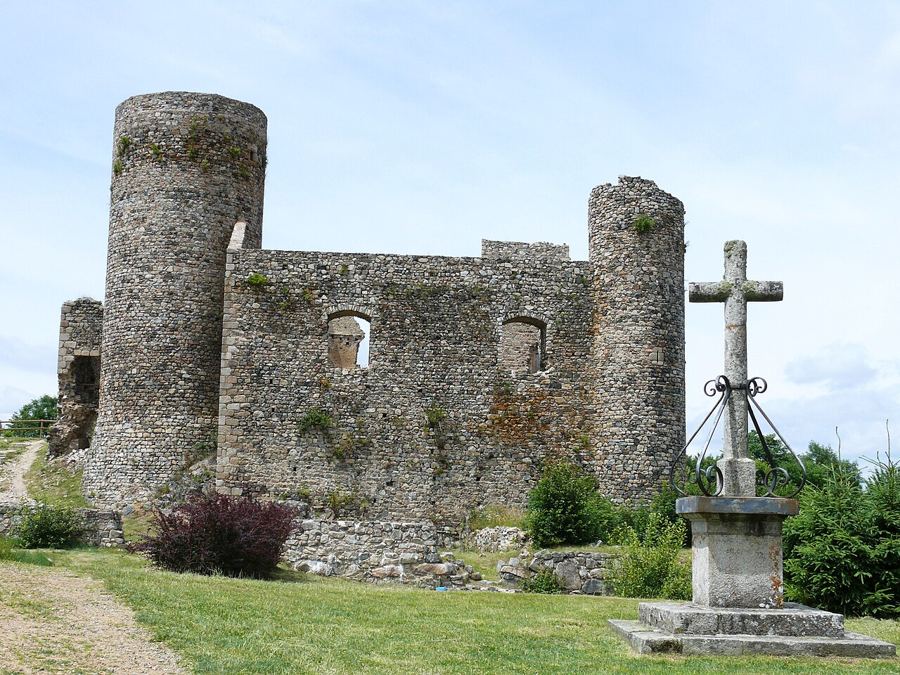
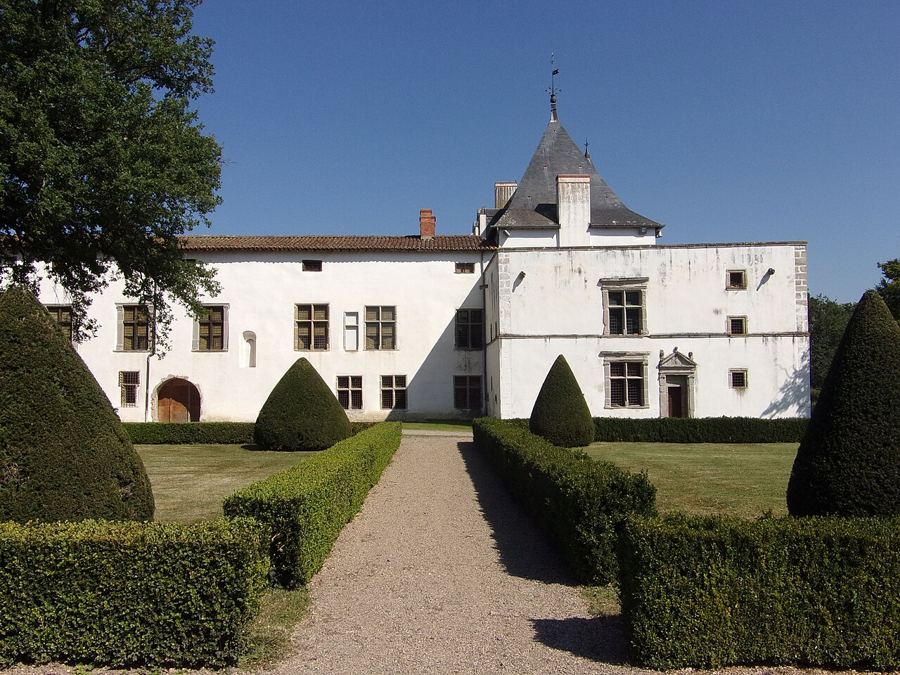
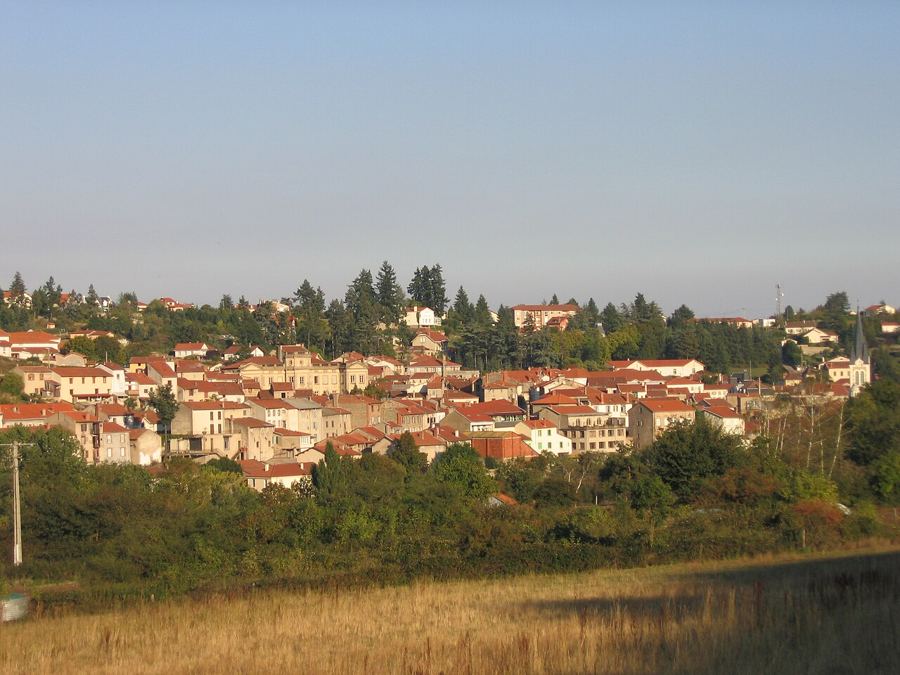
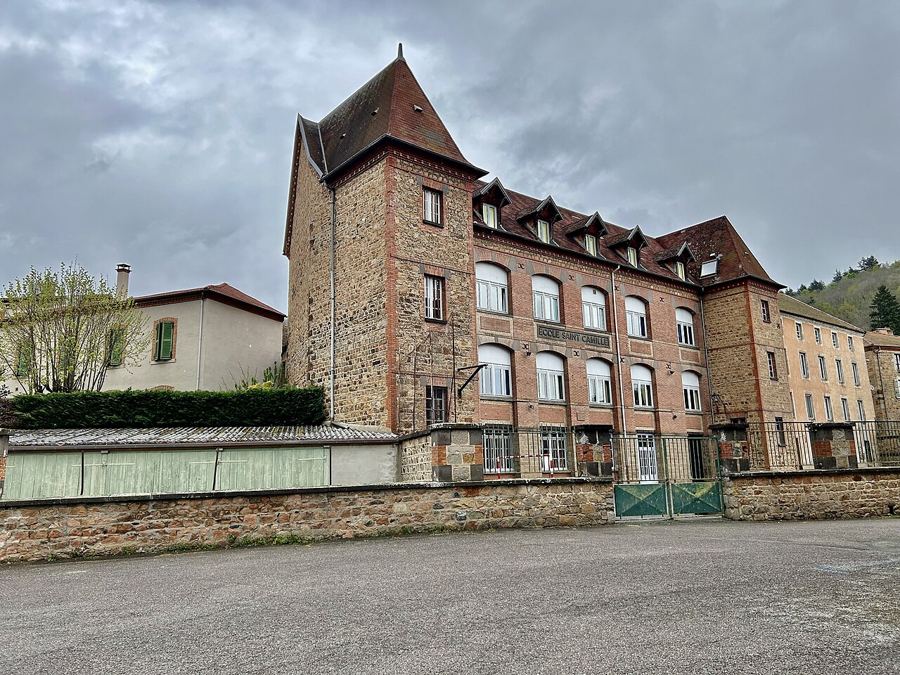
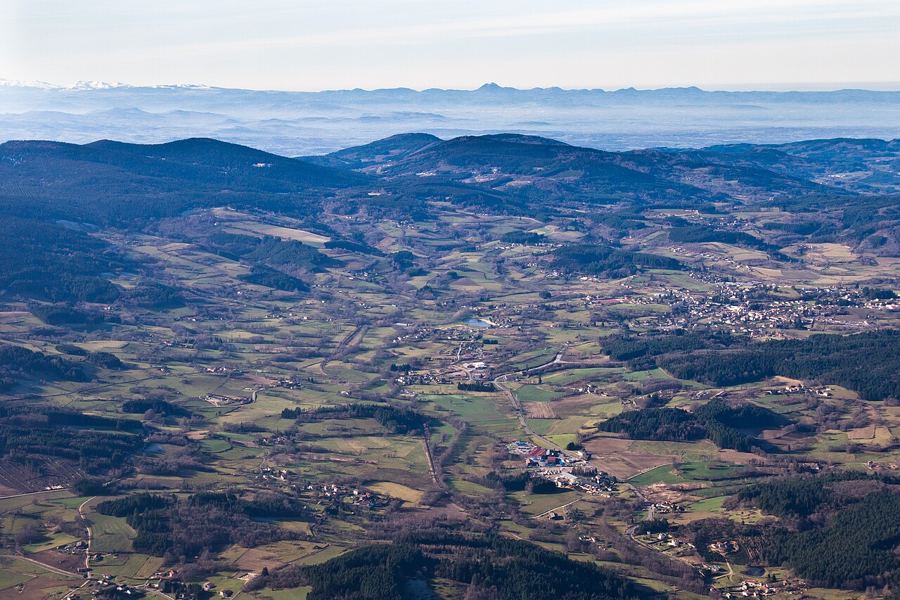
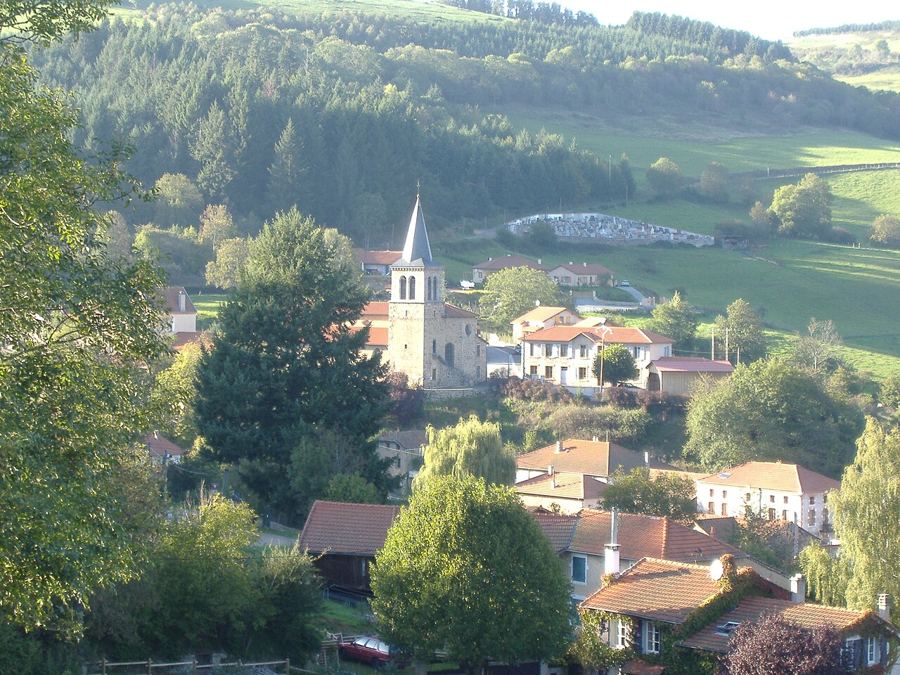
Castles and L'Astrée
A ruined keep on its hill, a Renaissance château in the plain, and the novel that made the Lignon famous.
Villages
Saint-Just-en-Chevalet, Champoly, Cherier, Saint-Romain, Saint-Priest and the town of Roanne below.
The Bois Noirs and the hills
Dark fir forests, the Lignon valley and the high Forez pastures to the south.
Walks and seasons
Waymarked circuits, mountain bikes, snow days, autumn woods and what the Forez eats.
Spring broom and cuckoos.
Summer long evenings on the ridges.
Autumn beech gold and ceps.
Winter snow on the high ground.
To the walker who would rather have a hill to herself than a crowd on a summit: the Pays d’Urfé is a quiet corner of the Loire, with a ruined castle on its highest knoll, dark forests behind and the river of a seventeenth-century romance below. These pages follow its paths.