
A best-seller from the Forez
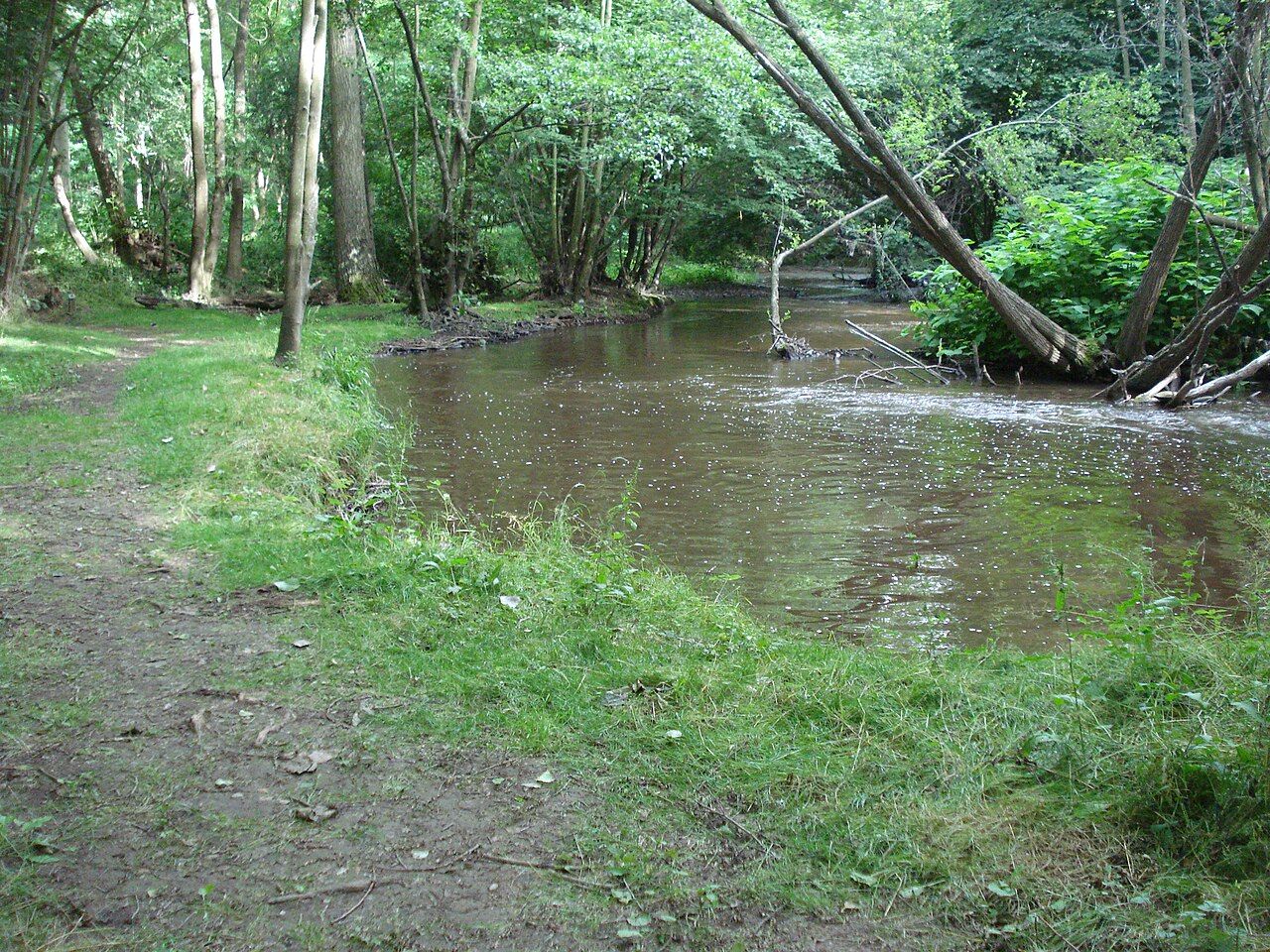
Few rivers owe their reputation to a single book, but the Lignon is one of them. In the early seventeenth century Honoré d'Urfé, a member of the family whose ruined castle still crowns a hill above Champoly, published the first part of L'Astrée, a pastoral novel set among the meadows and woods along this modest river of the Forez. The book became one of the great successes of its age, read across France and translated into several languages.
The first volume appeared in 1607, further parts followed over the next years, and the story was completed after the author's death, with the final instalments published around 1627. By the end it ran to thousands of pages, a length that makes it more admired than read today, yet its influence on French manners, language and literature was considerable.
The author and his country
Honoré d'Urfé was born in the second half of the sixteenth century and spent much of his youth at the family's house in the Forez plain, the Bâtie d'Urfé, which his grandfather had transformed into an elegant Renaissance residence. He lived through the religious wars of his time, took the side of the Catholic League, and spent periods in exile in Savoy, where much of the novel is thought to have taken shape.
Distance seems to have sharpened his memory of home. The Forez of L'Astrée is a landscape seen through longing: green banks, clear water, shady groves and gentle hills, the plain of his childhood turned into an ideal country where shepherds talk of love rather than war.
Céladon and Astrée
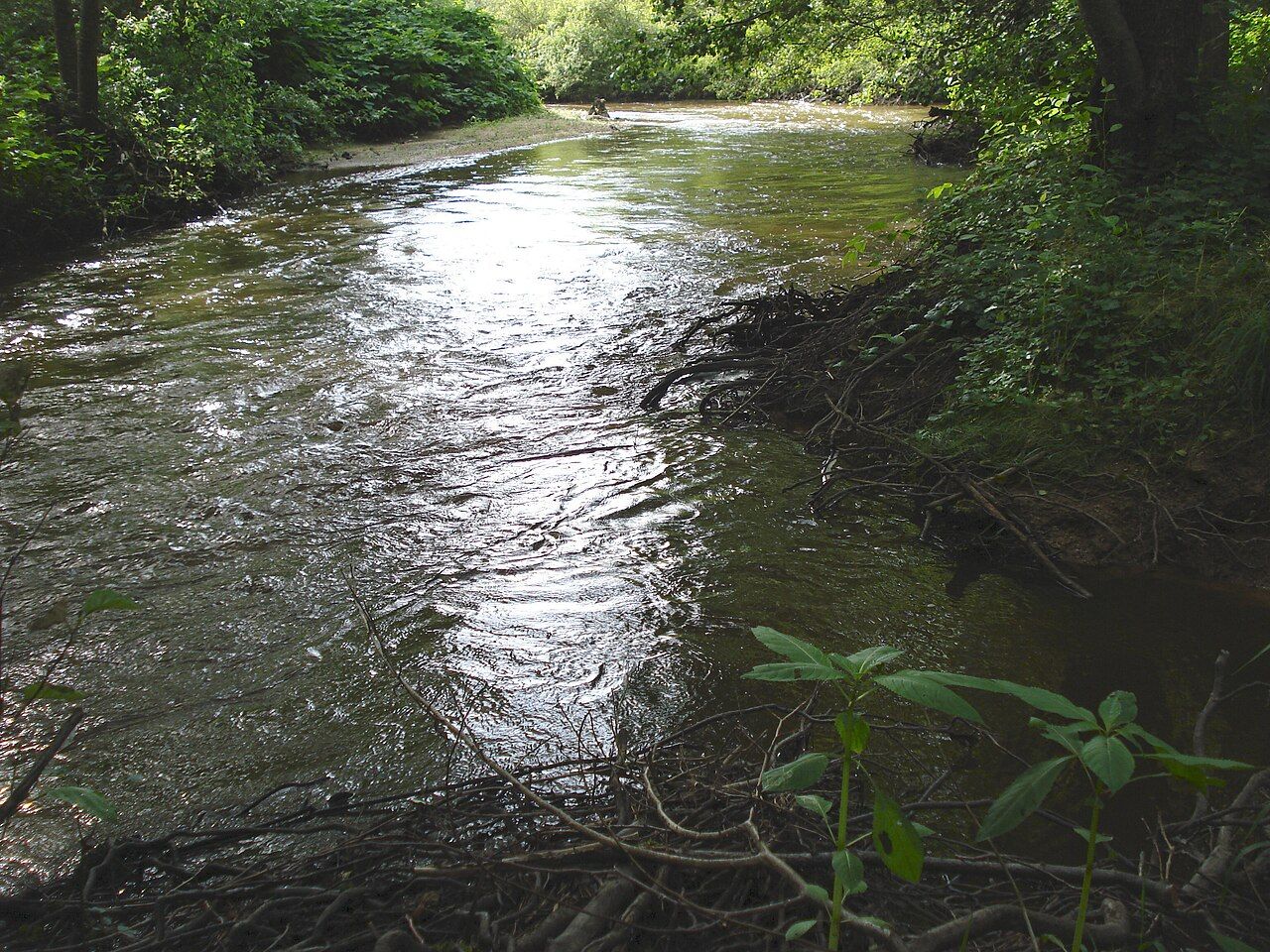
The novel is set in Gaul in the fifth century, in a Forez ruled by nymphs and guided by druids. At its centre are two young shepherds, Céladon and Astrée, who love each other in secret because their families are at odds. Deceived by a jealous rival, Astrée believes Céladon unfaithful and banishes him from her sight. In despair he throws himself into the Lignon.
He does not drown. Nymphs find him on the bank and carry him to their palace, and from there the story branches into countless adventures. Céladon, bound by Astrée's order never to appear before her, lives for a time as a hermit in the woods and later disguises himself as a young woman to be near her. Around this central thread, dozens of other characters tell their own stories of love, fidelity, jealousy and reconciliation.
The colour name "celadon", a pale grey-green, is widely said to come from the ribbons worn by the hero on stage, and the word passed from the theatre to the vocabulary of porcelain and painting. It is one small sign of how far the book travelled from the riverbanks where it begins.
Turn the page: The towers of Urfé on their hillHow a novel shaped a region
For readers of the seventeenth century, the Forez became the land of L'Astrée. Polite society in Paris borrowed its refined conversations about love, and the salons of the period took its characters as models of courtesy. The book helped fix the image of the Forez as a green, gentle, slightly melancholy country, an image that still colours the way the area describes itself.
That image can be found on the ground. Streets, schools and walking paths in the plain bear names from the novel, and the river itself is often called the Lignon du Forez to distinguish it from other rivers of the same name. Up in the hills, where the Lignon's headwaters come down from the Monts du Forez, the landscape is wilder and darker than the soft meadows of the book, which makes the contrast between real and imagined country part of the pleasure of exploring it. The stretch that runs through the plain is described in more detail in our guide to walking along the Lignon.
Walking the paths of L'Astrée
Near the Bâtie d'Urfé at Saint-Étienne-le-Molard, a riverside footpath named after the novel follows the Lignon through woodland and meadow. It is an easy, mostly level walk under alders and willows, with the water sliding brown and clear over gravel beds. Nothing on the path claims to show the exact place where Céladon threw himself into the river, and that is just as well; the novel's geography is poetic rather than precise.
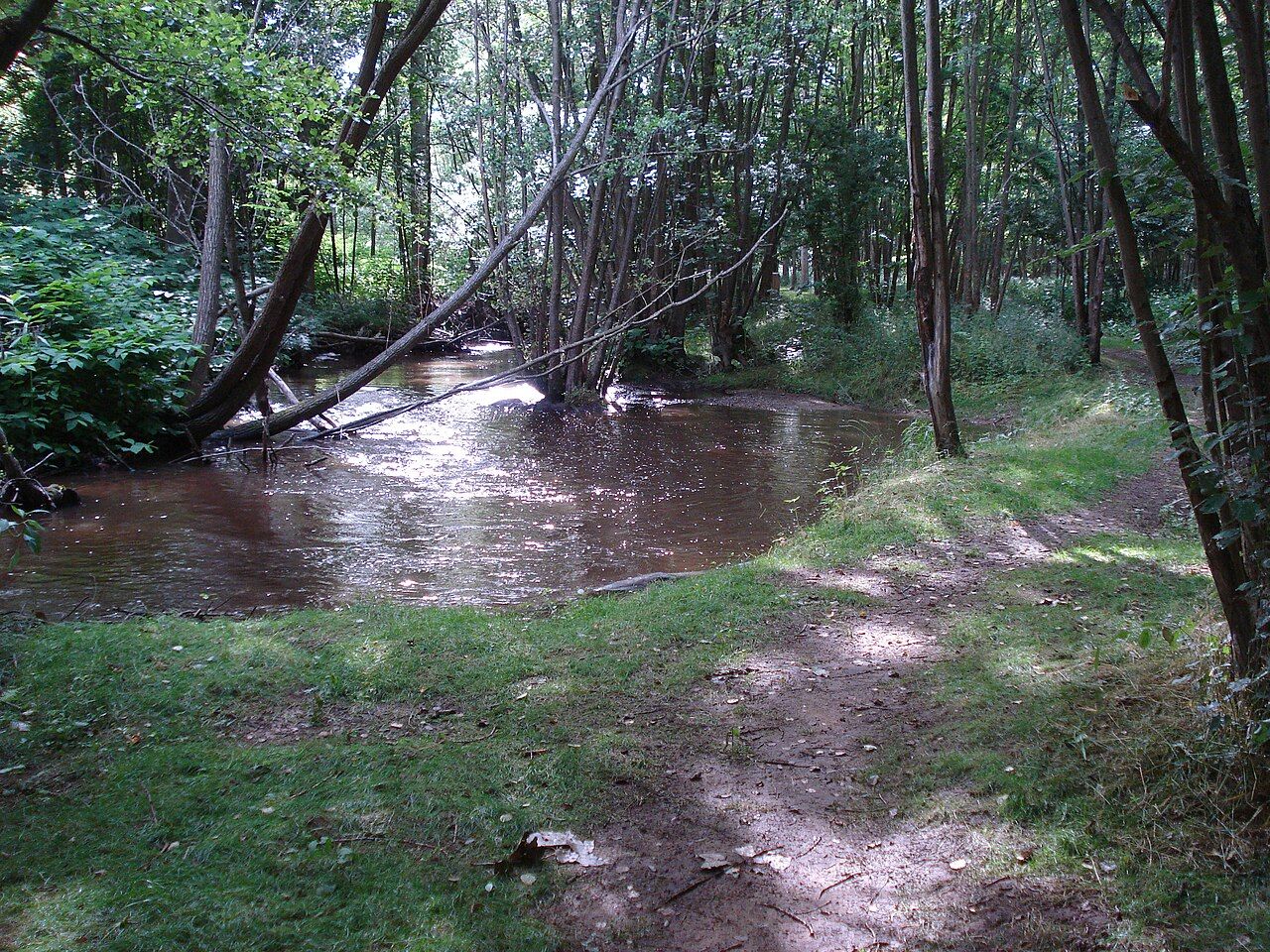
The walk combines naturally with a visit to the château, where the author grew up, and with a look at the stretch of river below. In summer the shade under the trees is welcome, while in spring the banks are green and the water runs high. After heavy rain some sections can be muddy or flooded.
Reading L'Astrée today
Nobody expects a visitor to read the whole novel before a trip. The full text is vast, written in the elaborate French of the early seventeenth century, and even specialists tend to read it in parts. Fortunately there are modern editions of selected episodes in French, and anthologies and studies that summarise the main plot and its many interwoven tales. English translations of the whole work are rare, but extracts and summaries can be found in histories of French literature.
A practical approach is to read the opening of the first part, where Astrée banishes Céladon and he falls into the river, and then dip into later episodes at random. The tone is slow and courteous, the debates on love are long, and the descriptions of the Forez are lyrical rather than exact. Read on a bank of the Lignon itself, with the water moving past, the book makes more sense than it ever does on a library shelf.
The author's family story is told in stone at the Château d'Urfé above Champoly and at the Bâtie in the plain. Together with the river, they make a small literary circuit across the Loire département, from the medieval tower where the family began to the gentle water where its most famous son set his dream of a gentler world.
Here ends the chapter. Back to the contents.