
Chapter
Villages
Saint-Just-en-Chevalet, Champoly, Cherier, Saint-Romain, Saint-Priest and the town of Roanne below.
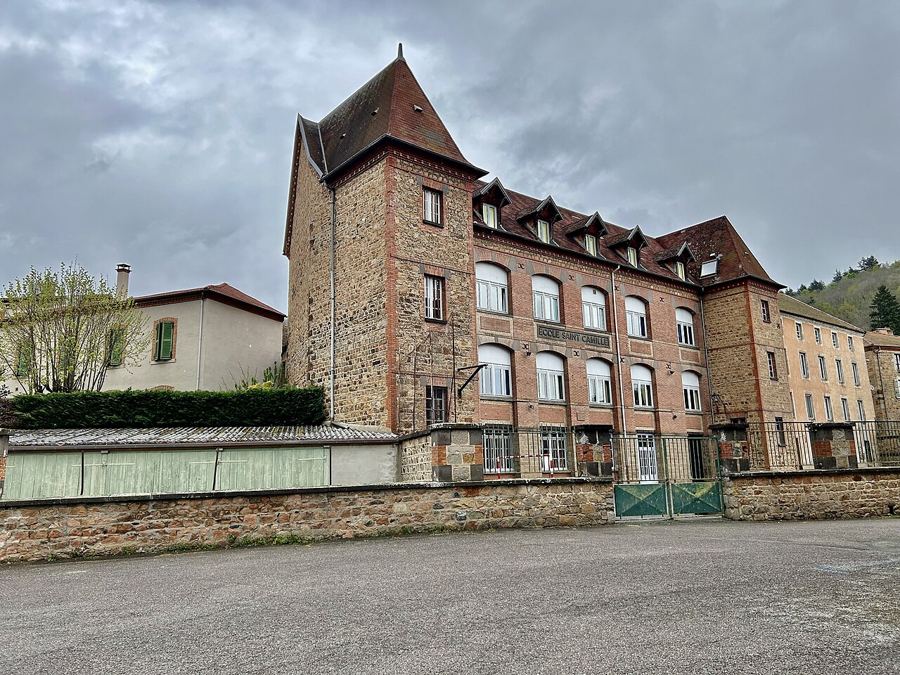 Saint-Just-en-Chevalet, the village where roads meetThe largest village of the Pays d'Urfé climbs a slope of houses and gardens, with a church above the roofs, a weekly market and paths leading out into the hills.
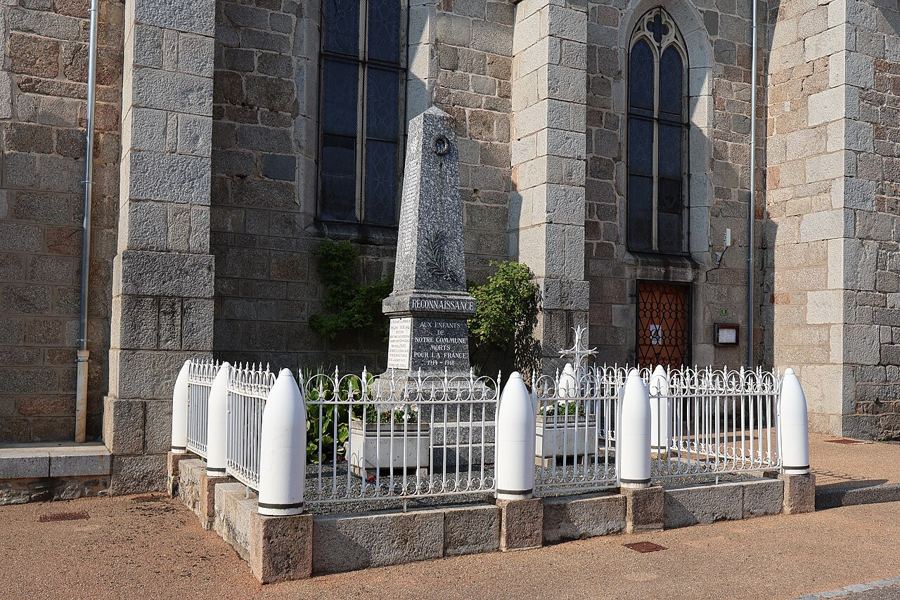 Champoly, in the shadow of the towersA small granite village in the hills of the Loire, Champoly lies just below the ruins of the Château d'Urfé, with a church, a war memorial and lanes that lead up to the summit.
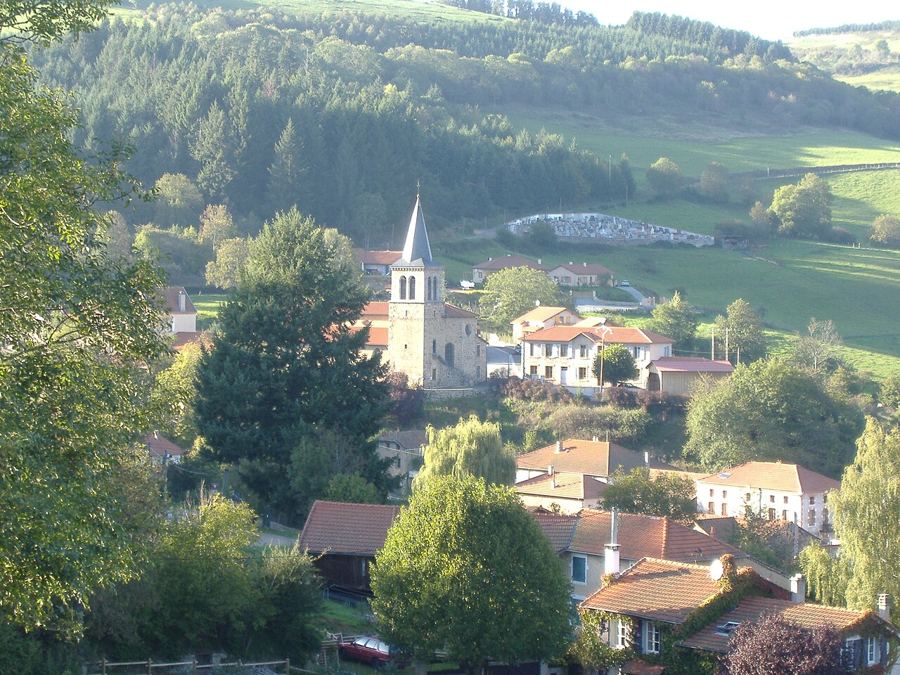 Cherier and the long view eastSpread over hamlets on the slopes above the Roannais, Cherier has granite houses, a valley bourg with a slender church spire and ridge-top lanes with wide views to the plain.
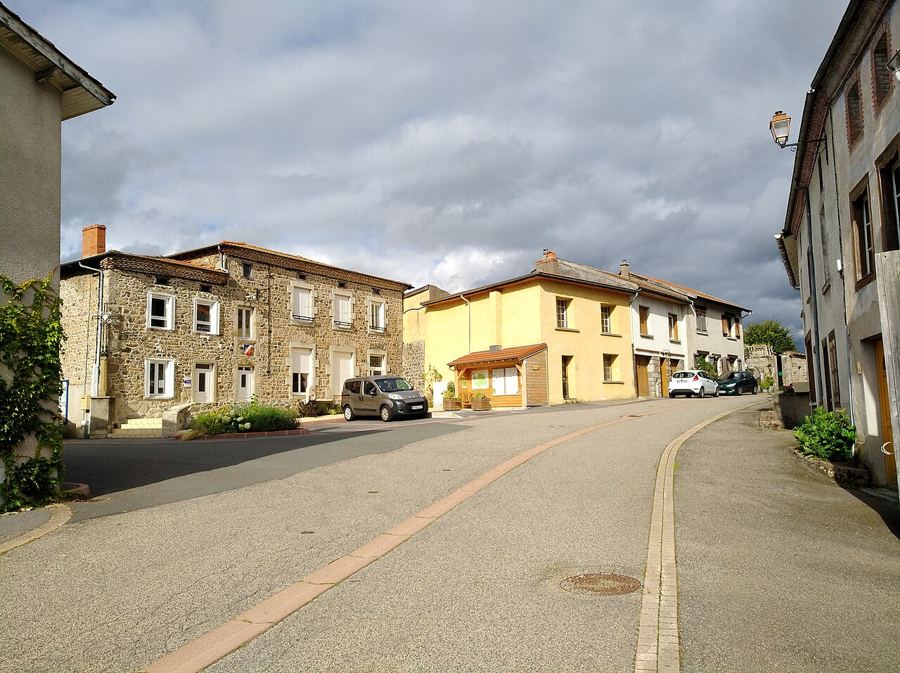 Saint-Romain-d'Urfé, a name on the signpostsA small village of stone houses along a single main street, Saint-Romain-d'Urfé carries the name of the old lords of the hills and sits among farms, pastures and woods.
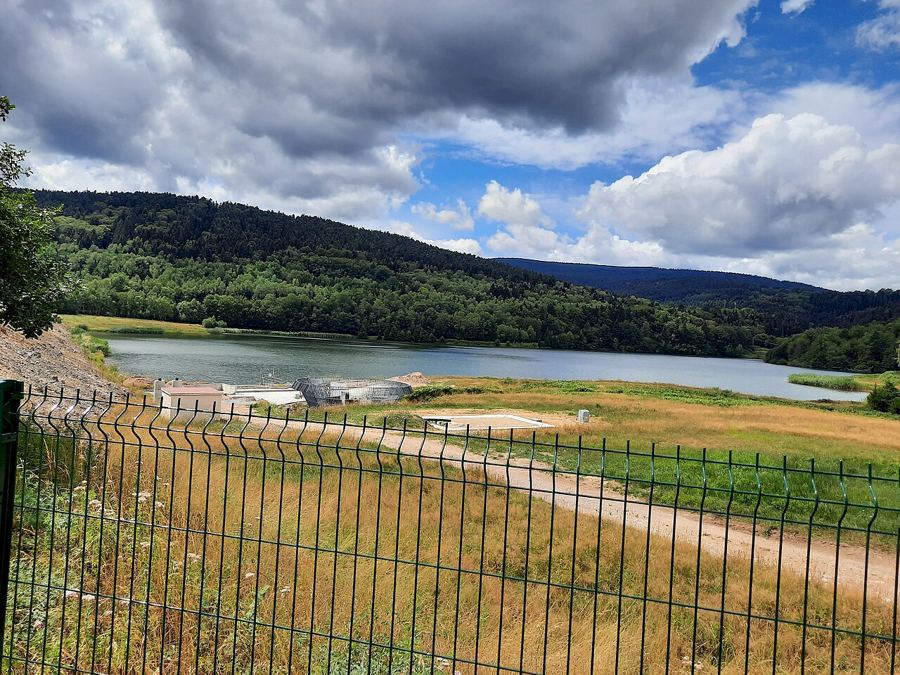 Saint-Priest-la-Prugne, the village of the forestHigh on the north-western edge of the Loire, Saint-Priest-la-Prugne lives among fir forests where streams rise, and its landscape still carries the marks of a uranium mine closed decades ago.
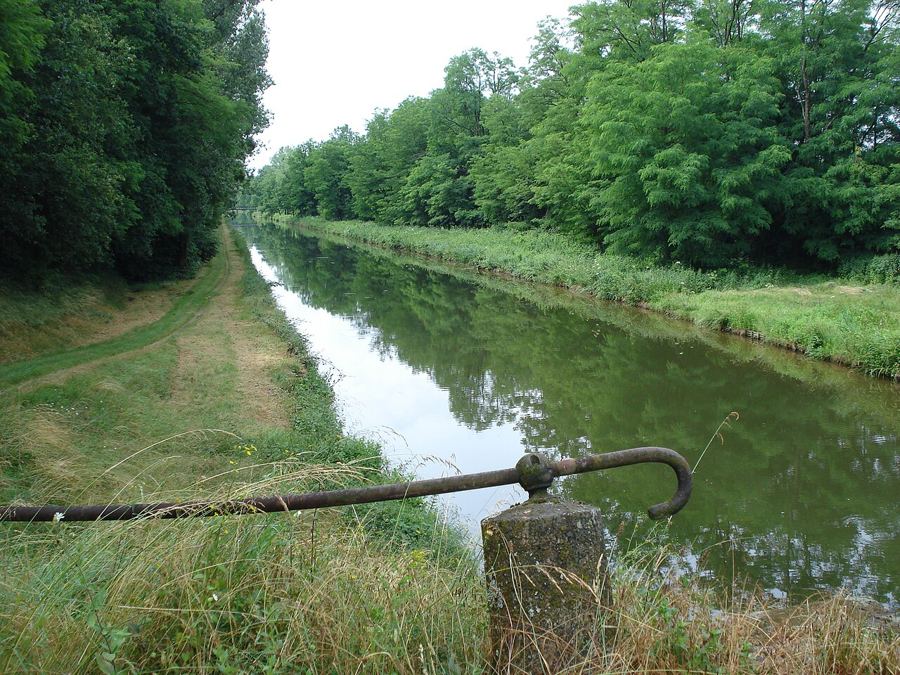 Down to Roanne: the town on the Loire and its canalAn hour or less from the Pays d'Urfé, Roanne offers a riverside town, a quiet canal towpath and the open Roannais plain, a change of pace after days in the hills.
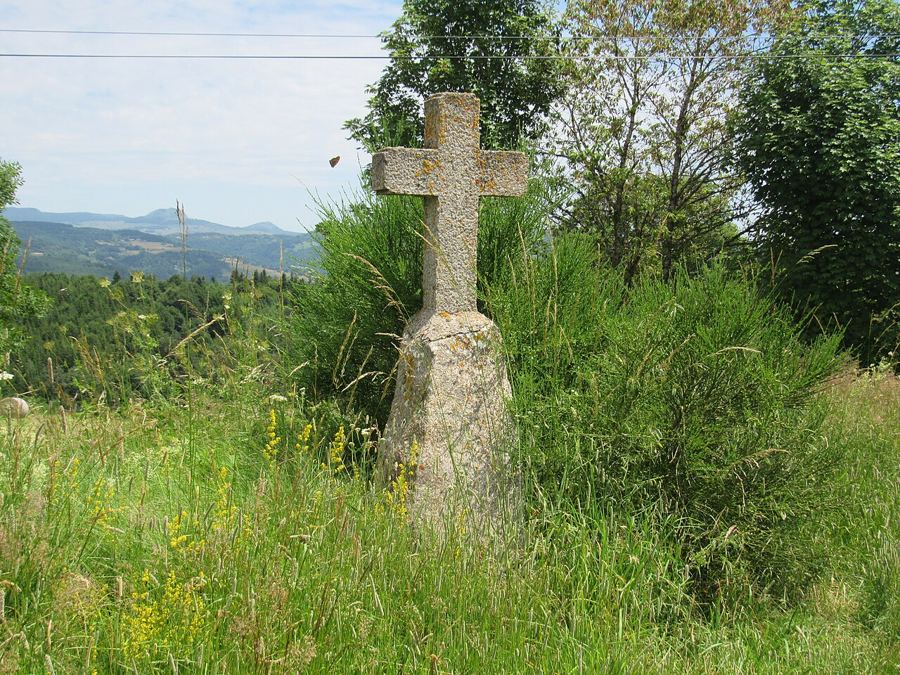 Granite farms and stone crossesWalk any lane in the Pays d'Urfé and the buildings tell a story: thick granite walls, long barns, communal bread ovens and carved crosses standing at the crossroads.